Most enterprise teams want an AI agent. Few know how to ship one without an engineering team. That gap is the reason Gartner expects task-specific AI agents to land in 40% of enterprise applications by the end of 2026 , up from under 5% the year before — and also why so many of those projects stall before production. A no-code AI agent platform closes the gap between idea and rollout. The catch is that the platform alone does not guarantee a successful agent. The process you follow does.
This is a practical 7-step guide for building a no-code AI agent that survives contact with real users, real data, and real audits. The steps come from patterns we see when ops teams across telecom, construction, and manufacturing ship working agents in weeks rather than quarters.
Step 1: Pick a use case where friction is measurable
The fastest way to derail an AI agent project is to start with the technology. Start with a workflow that bleeds time, money, or customer satisfaction in a way you can already count. Good candidates share three traits: high volume, repeatable structure, and a clear definition of "done." Common starting points include Tier 1 customer service triage, internal IT password resets, field technician dispatch lookups, and order status inquiries.
Write down the current cost — handle time, headcount, error rate, escalation volume — before you build anything. According to Forrester's 2026 enterprise software predictions , projects with documented success criteria are dramatically more likely to graduate from pilot to production. The number you write at the start is the number you will defend at the steering committee in month three.
Step 2: Map the conversation before you configure anything
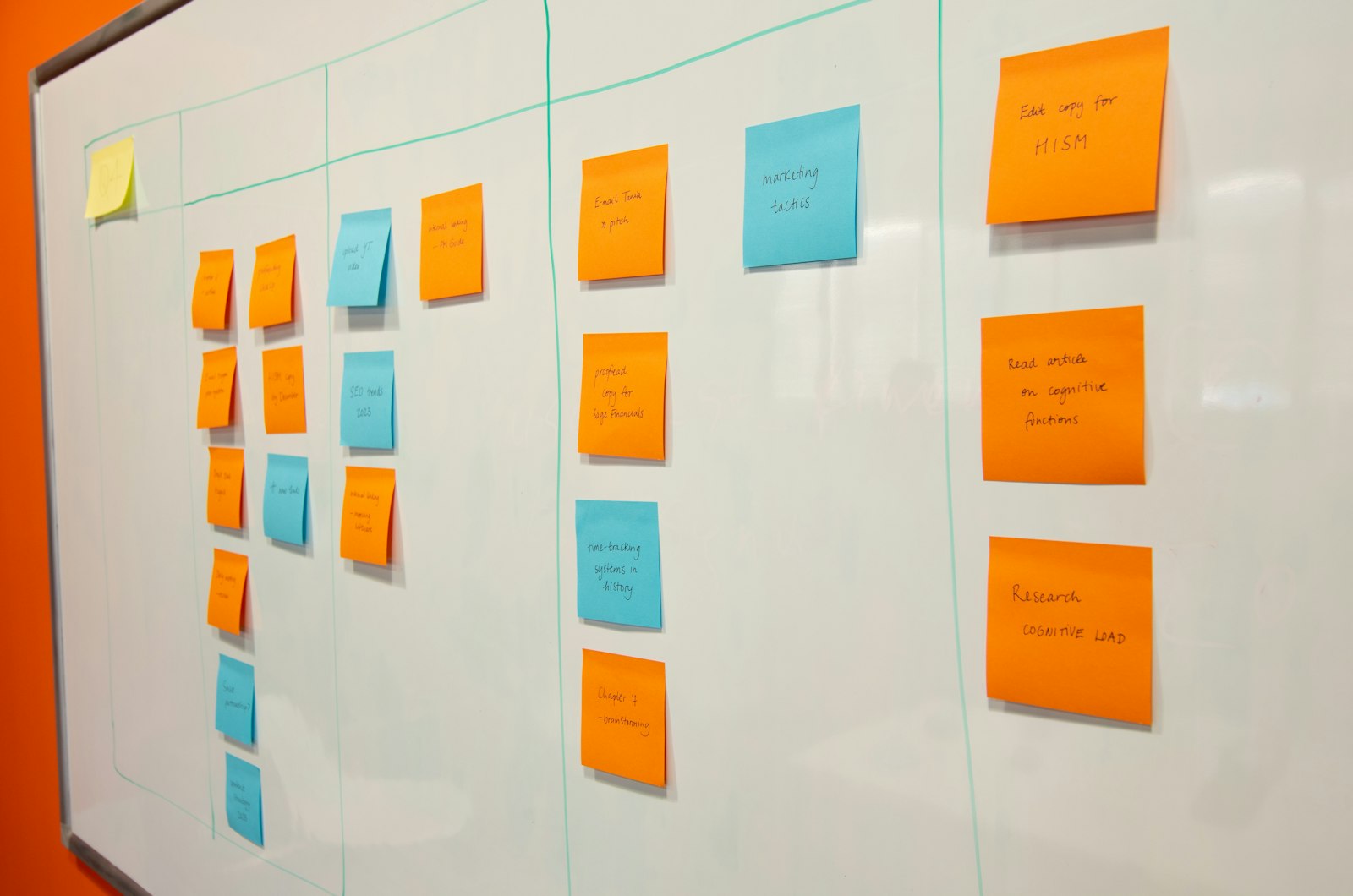
An AI agent is a conversation that ends with a decision or an action. Before you touch a builder, sketch out the three or four real conversations the agent will have. Include the unhappy paths: what happens when the customer is angry, when data is missing, when the request is out of scope. Map these on paper or a whiteboard with the people who handle these calls today.
This step prevents the most common failure mode in AI agents: a beautifully configured greeting followed by a dead end the moment a real user asks something unexpected. In Symphona Converse , this map becomes the agent's intent structure — but the value comes from doing the mapping, not the tooling.
Step 3: Connect the agent to the systems where work actually happens
An AI agent that can only talk is a chatbot. An agent that can act is automation. The difference is integration. By step three, your agent needs to read from and write to the systems where the underlying work lives — your CRM, your billing platform, your work-order system, your data warehouse.
This is where a no-code process layer matters most. Symphona Flow handles the connective tissue: API calls, database lookups, document parsing, conditional logic, and human approval steps the agent triggers mid-conversation. The agent does not need to know how the back-office process works. It just needs to be able to invoke the Process and use the result.
Step 4: Add guardrails before you add intelligence
Generative AI is the most exciting part of an agent and the most dangerous. Before you turn on open-ended LLM responses, define the boundaries: which topics the agent can discuss, what it must never promise, what data it must never expose, when it must escalate to a human. Write these down as policies, not as hopes.
The Deloitte State of AI in the Enterprise 2026 report found that governance friction is one of the top reasons agents fail to scale. The teams that win bake guardrails into the agent's configuration on day one — not as a retrofit after a public mistake.
Step 5: Test like the agent is already live
This is the step most teams skip. They demo the agent on three friendly scripts and call it done. Then a real customer asks a question the agent has never seen, and the rollback begins.
Build a test set of at least 50 realistic conversations — pulled from actual call transcripts, support tickets, or chat logs — and run the agent against them before launch. Symphona Test lets ops teams script these scenarios as repeatable test cases that run automatically every time the agent's configuration changes. Treat regression testing for AI agents the same way engineering teams treat it for code: not optional.
Step 6: Roll out in narrow lanes with human oversight
Do not launch your no-code AI agent to your entire customer base on day one. Pick a single channel, a single use case, and a clearly defined audience — then route a small percentage of traffic to the agent with a human reviewer watching every interaction. Expand the lane as confidence grows.
Pair the agent with an exception layer that catches the conversations it cannot handle and routes them somewhere accountable. Symphona Resolve turns those moments — failed lookups, unclear intents, escalation requests — into trackable issues with SLAs and assigned owners, so nothing falls through the cracks while the agent learns.
Step 7: Govern, measure, and iterate on a fixed cadence
An AI agent is not a project. It is a product, and like every product it drifts unless someone is watching the metrics. Set a weekly review covering containment rate, escalation reasons, customer satisfaction, and any policy violations. Set a monthly review covering ROI against the baseline you wrote down in Step 1.
The teams getting the most out of agents in 2026 are the ones treating governance as an operating rhythm, not a compliance task. That includes who can change the agent's configuration, how changes are reviewed, and how the agent's behavior is documented for auditors.
The bottom line on building a no-code AI agent
A no-code AI agent platform makes shipping an enterprise AI agent possible without an engineering backlog. A disciplined process — picking a measurable use case, mapping the conversation, integrating the systems, adding guardrails, testing rigorously, rolling out narrowly, and governing on a cadence — makes shipping it successful. Skip any of these seven steps and you join the 88% of agent pilots that never reach production.
Telecom, construction, and manufacturing teams running this playbook on Symphona are typically live in 6 to 10 weeks with their first agent. To see how this works in your industry, explore SimplyAsk.ai's approach for telecom and media operations or book a consultation to scope your first agent.

.svg)


.svg)


.avif)
.avif)
.avif)
.avif)




.svg)
.svg)
.svg)
.svg)


.svg)

.svg)
.svg)


