IT operations teams spend their days buried in tickets, alerts, and after-hours pages, and the cost of falling behind keeps climbing. A single hour of downtime now exceeds $300,000 for the large majority of mid-to-large enterprises, according to ITIC's hourly cost of downtime research , and one bad change can cascade fast. The July 2024 CrowdStrike update drove an estimated $5.4 billion in direct losses across the Fortune 500 . That pressure is why AI agents have moved to the center of IT operations planning. Gartner names agentic AI a top-three CIO priority and one of the defining infrastructure and operations trends for 2026 . Below are the top 10 AI agent use cases for IT operations earning their keep right now, and how to run them without losing visibility or control.
1. Self-service IT support and password resets
Tier-1 demand is repetitive and relentless: password resets, account lockouts, VPN questions, "how do I" requests. An AI agent that resolves these in chat or voice deflects the bulk of L1 volume before a human is ever involved. With Symphona Converse , you define the objectives the agent should handle and the actions it can take, so it can verify identity, trigger a reset, and confirm resolution end to end rather than just pointing to a wiki page. The result is faster answers for employees and a service desk that spends its time on real problems.
2. Automated ticket triage, classification, and routing
Mis-routed tickets are a silent tax on resolution time. AI agents read each incoming request, classify it by type and urgency, attach the right priority, and send it to the team that actually owns it. Symphona Serve manages this with configurable ticket types, role-based fields, and status-based automation that fires the moment a ticket changes state, so triage happens in seconds instead of sitting in a shared queue waiting for a human to read it.
3. Joiner, mover, and leaver access provisioning
Onboarding and offboarding touch a dozen systems, and a missed step is either a productivity drag or a security gap. An AI-driven process can provision accounts, assign licenses, set group memberships, and revoke everything cleanly when someone leaves. Symphona Flow orchestrates these steps across your identity provider, HR system, and SaaS apps over REST, SOAP, or direct database connections, with human approval steps where policy requires sign-off.
4. Incident detection and self-healing remediation
The highest-value agents don't just alert, they act. When a monitoring tool flags a failed service, a full disk, or a stuck job, an automated workflow can run the known fix and verify recovery. Symphona Resolve captures any step that fails as a Fallout with full execution context, then lets an AI-driven triage workflow attempt resolution automatically before escalating to a human. Routine incidents close themselves; engineers see only what genuinely needs judgment.
5. Knowledge base search and answer generation
Most IT answers already exist somewhere, scattered across runbooks, policy docs, and old tickets. An AI agent that searches across all of it and returns a grounded answer cuts research time for both employees and agents. Converse builds searchable AI Knowledge Bases from uploaded files, text, or crawled internal sites, so the agent answers from your documented procedures instead of guessing.
6. Change and release validation
Given what a single bad update can cost, validating changes before they ship is no longer optional. AI agents can run regression and integration checks against APIs, databases, and interfaces every time something changes. Symphona Test automates these checks with no code and plugs into CI/CD pipelines, which matters most for the AI-powered workflows themselves, where you need confidence they still behave correctly after every edit.
7. Alert noise reduction and event-driven response
The average operations team sees far more alerts than any human can triage, and the important ones drown in the noise. AI agents correlate related events, suppress duplicates, and trigger the right response workflow automatically. Symphona Flow starts processes from webhook and event triggers fired by your monitoring stack, so an alert becomes an action, not just another line in a dashboard nobody is watching at 2 a.m.
8. Software license and asset reconciliation
Shadow SaaS and stale licenses quietly inflate IT spend. An AI agent can reconcile what you're paying for against what's actually deployed and in use, flag the gaps, and reclaim unused seats. Scheduled processes pull entitlement data from procurement and usage data from each platform, compare them on a recurring basis, and open a ticket when something doesn't line up, turning a once-a-year audit into continuous hygiene.
9. Major incident coordination and status communications
During a major incident, half the work is coordination: spinning up the bridge, tracking actions, and keeping stakeholders informed. AI agents can open and maintain the incident record, post timed status updates, and notify the right people as severity changes. Serve handles the ticket structure and assignment while Flow drives the communications, so responders focus on the fix instead of the paperwork around it.
10. SLA tracking, reporting, and continual improvement
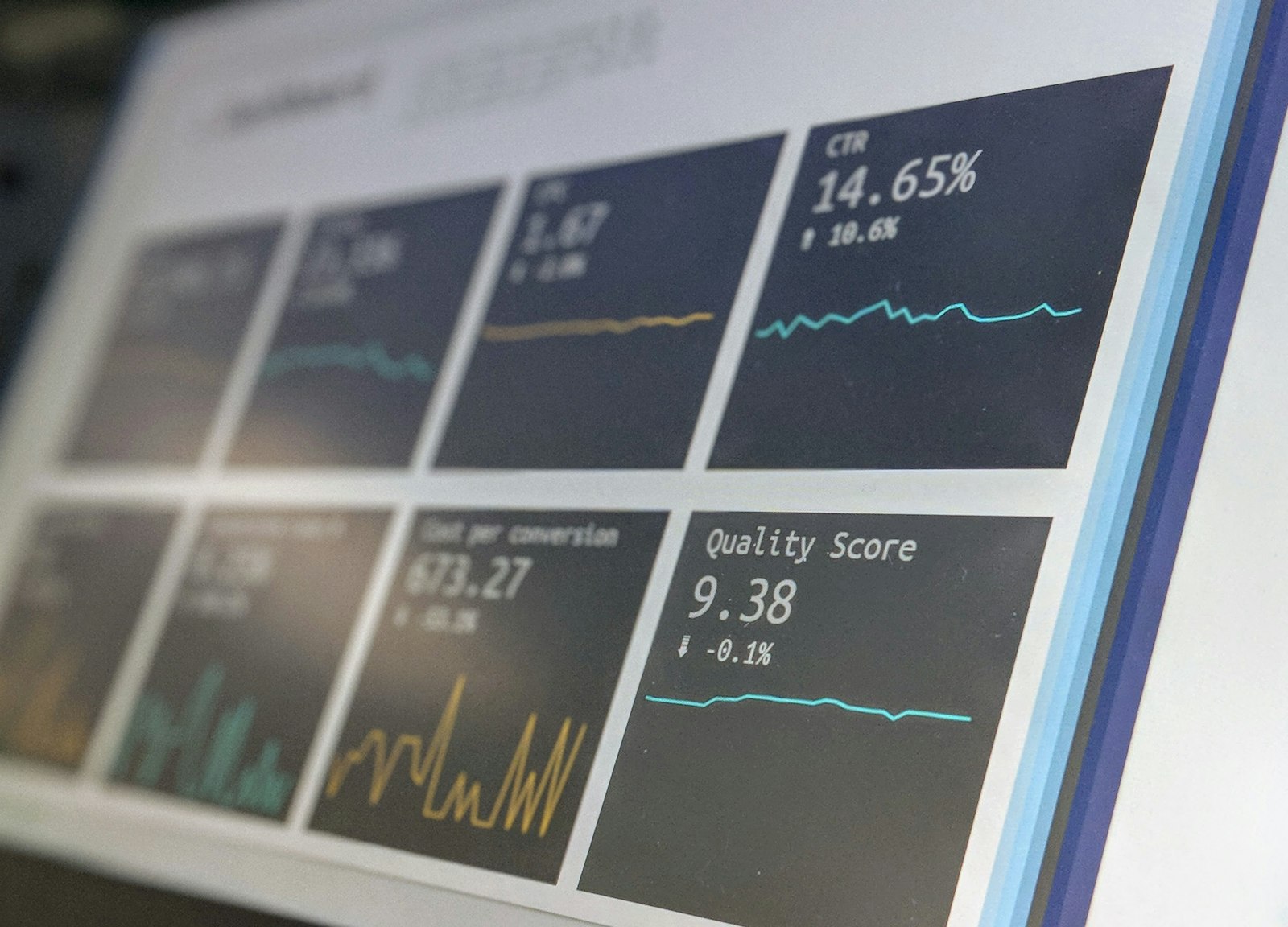
You can't improve what you don't measure, and manual reporting always lags reality. AI agents track SLA compliance in real time, surface trends in incident and request data, and flag the recurring issues worth automating next. Because every action lives in one platform, you get a clean view of where time actually goes, which is the foundation for deciding what to automate in the next quarter.
Why governance makes or breaks AI in IT operations
Autonomy without oversight is how AI agents create new risk instead of removing it. Gartner pairs agentic AI with AI governance platforms as parallel 2026 priorities for a reason. The practical answer is an end-to-end audit trail: with Symphona, you can trace an action from the AI Agent conversation, to the Process it triggered, to the step-by-step execution logs, to the tickets it created. That traceability is what makes autonomous remediation safe to turn on in a regulated or high-stakes environment, and it's the difference between an agent you trust and one you have to babysit.
The bottom line
The strongest AI agent use cases for IT operations in 2026 share a pattern: high-volume, well-understood work where speed matters and the steps are knowable, from self-service support and ticket routing to access provisioning and self-healing incidents. Start with one or two of these where the payback is obvious, keep humans in the loop on anything consequential, and insist on a full audit trail from day one. The teams pulling ahead aren't replacing IT operations with AI; they're using agents to handle the predictable work so their people can focus on the problems that actually need them.
Symphona brings AI agents, process automation, task management, and error handling together in one no-code platform, so IT teams across telecom , manufacturing, and the public sector can deploy these use cases on infrastructure they control. To map the highest-impact AI agent use cases for your own IT operations, book a consultation with our team.

.svg)


.svg)


.avif)
.avif)
.avif)
.avif)




.svg)
.svg)
.svg)
.svg)




.svg)

.svg)
.svg)


