How to Automate Aftermarket Spare Parts and Earn Higher Manufacturing Margins
The parts business pays better than equipment sales and stalls on handoffs between the catalog, the warehouse and the field. Here is how to automate it end to end.
BY SIMPLYASK · MAY 5, 2026 · 5 MIN READ
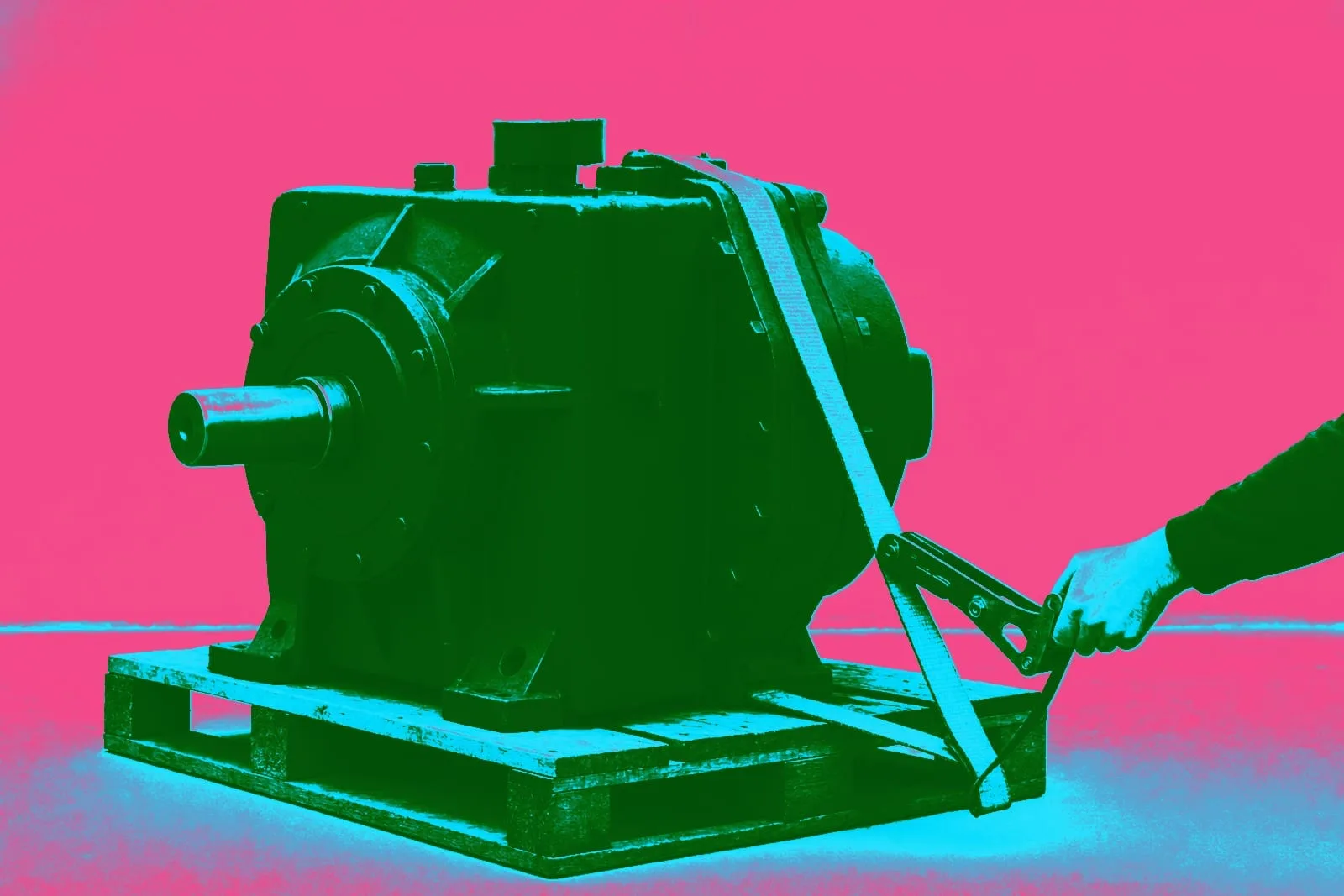
To automate aftermarket spare parts, connect the whole path from a customer's parts request to a shipped order: identify the right part, check stock and lead time, quote, approve, pick and ship, and hand any field work to the service team. What is missing is the orchestration between the systems. The catalog, pricing and inventory are usually in place.
At a mid-sized industrial manufacturer, the next 200 basis points of margin rarely come from the next product launch. They come from the parts business: the recurring, hard-to-orchestrate flow that ships replacement components, documentation and service kits to the installed base. Parts and service typically earn higher margins than new equipment, which makes a slow, error-prone parts operation an expensive place to be sloppy.
Why does the aftermarket stall?
The failure is almost never the catalog. The data exists. The pricing exists. The inventory is usually there. What is missing is the layer between the customer's request and the catalog, the inventory system, the credit team, the warehouse and the dispatch desk. Every handoff is a chance for the request to stall. When customers expect same-day answers, each stall can cost an order.
A technician in the field sees something fail, and the manufacturer that engineered the part is the third or fourth call they make, because the first two suppliers answered faster. That is a response problem: the catalog did its job and the answer arrived late.
Why is the parts business getting harder?
Tight supply raises the cost of a slow process. Industrial Automation Co., a parts supplier, described a 2026 squeeze built on semiconductor scarcity, tighter trade policy and logistics bottlenecks, with strong demand from EV, robotics and energy customers. PLCs, servo drives, I/O modules, HMIs and sensors were harder to source and cost more.1 Wide catalogs, deep stock and generous lead times work less well when parts are scarce.
The winners in the next phase of the parts business will be the ones who can take a customer's parts request, confirm the right component against installed-base data, check stock and lead times across sources, quote, and confirm the order in one conversation, without a queue.
What does an automated parts workflow look like?
It is an orchestration problem. The data sits in a half-dozen systems: ERP, CRM, service management, the parts portal, the field service app. The customer experience depends on whether those systems agree.
The order side. A customer, or a technician acting for one, submits a request through a portal, an email, an AI Agent or a phone call. The workflow looks up the installed asset, finds the correct part numbers including substitutions and supersessions, pulls current stock and lead times from connected sources, produces a price-validated quote, and routes it for any approval it needs. The same flow handles renewals, maintenance kits and recommended spares.
The fulfilment side. A Process runs the operational handoffs after the quote: credit check, warehouse pick, packing, shipping label, customer notification, and, when a field technician will install the part, a handoff to the service team. When something crosses a threshold, such as an unusually large order, a customer in dispute or a back-ordered part, the Process stops and asks a person to decide. It gives them the context, not a generic alert.
The field side. Technician dispatch, install verification and warranty registration are human tasks with an owner, a deadline and a visible status. If a technician arrives and finds a different part is needed, the new request goes back through the same flow instead of a phone call to dispatch from a parking lot. The customer sees one experience, and the technician keeps their hands on the wrench.
On the SimplyAsk platform, all three sides belong to one AI App: AI Agents for the conversation, Processes for the handoffs, tasks for people. One set of permissions applies, and one audit trail records what the AI did and what people decided, so a disputed order can be traced from request to shipment. You can build it visually or describe the job to Cue and review the draft.
What is the business case?
Try the economics as a sum. If equipment brings in $500 million and the aftermarket business adds $100 million, as a hypothetical example, then every day cut from quote-to-ship and every point of fulfilment accuracy is worth real money in the part of the company that already pays better than the core. Closing the operational gap protects margin as much as it saves time. Run it with your real revenue and your real margin.
The fix is a layer above the systems you already have, so a request can move from customer to commitment to shipment without a manual handoff at each step.
Questions
Why are aftermarket margins higher than equipment margins?
Replacement parts and service sell into an installed base, with less competition at the moment of need and a customer who values speed. Sources differ on how large the gap is, so measure it in your business.
What slows down a spare parts order?
Handoffs. The request moves from the customer to the catalog, inventory, credit, the warehouse and the dispatch desk, and each step waits on a person or a system that does not talk to the next.
Do I need a new ERP to automate it?
No. Automation reads from and writes to the ERP, CRM and service systems you have, and coordinates the work across them.
For two related manufacturing workflows, read Slow RFQ Quoting Is Costing Manufacturers Deals and The Manufacturing Warranty Claim Backlog Is Quietly Eating Your Aftermarket Margin.
If you run an aftermarket P&L, see what the platform does for manufacturers or start a 14-day trial.
SOURCES
- Industrial Automation Co., “Surviving the 2026 automation squeeze: how to future-proof your spare parts strategy”, published October 9, 2025. https://industrialautomationco.com/blogs/news/surviving-the-2026-automation-squeeze-how-to-future-proof-your-spare-parts-strategy. Accessed November 17, 2026. Back to the text
CONTINUER À LIRE
-
How to Automate Inventory Reconciliation in 6 Steps (2027)
Your system says 100 units and the shelf holds 62. Six steps to make records correct themselves against reality on a schedule, instead of once a year.

-
How to Automate the Engineering Change Order Process in Manufacturing
Most engineering change orders stall in the process around the change: the inbox, the approval queue, the handoffs between systems. Here are five steps that take the waiting out.